
A Thousand Words
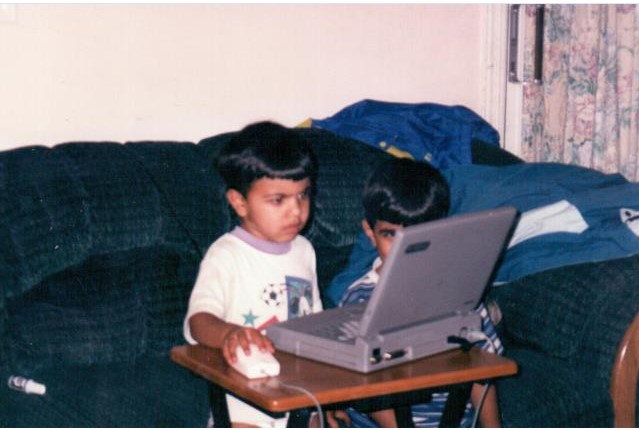
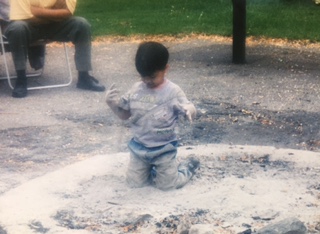
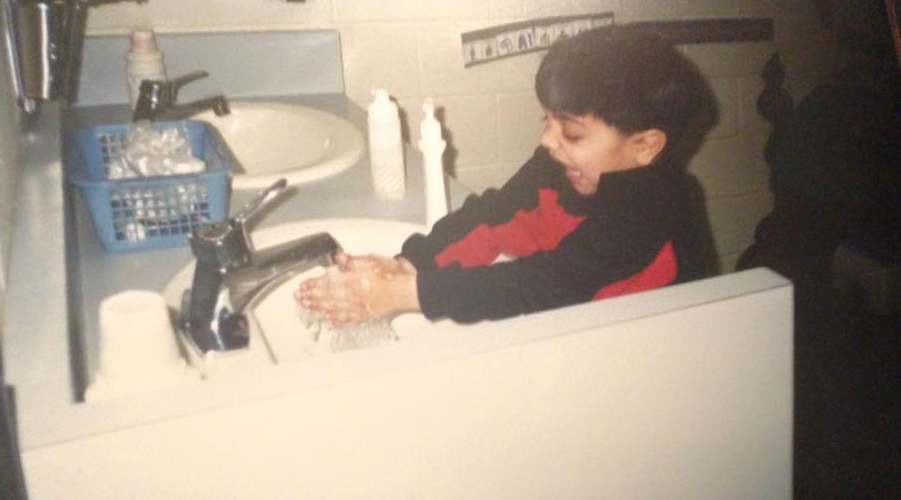
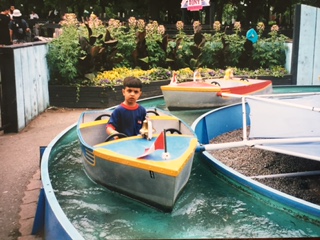
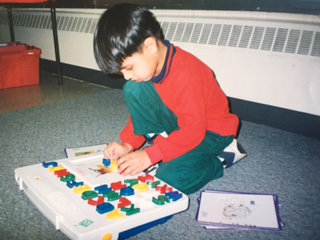
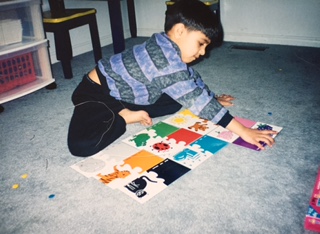
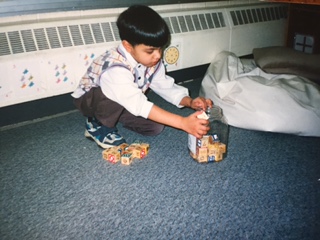
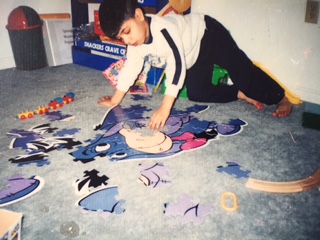
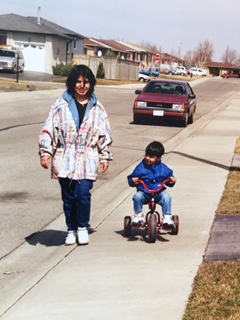
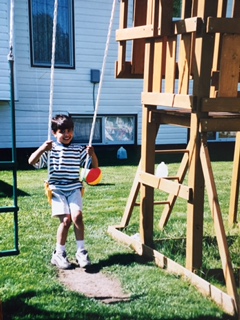
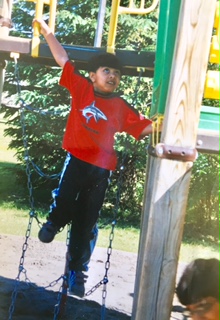
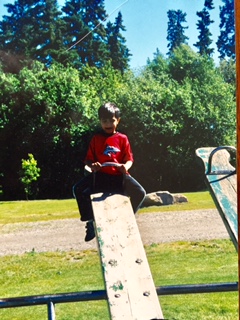
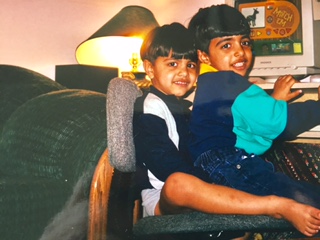
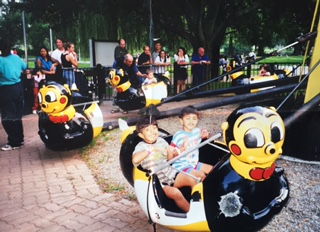
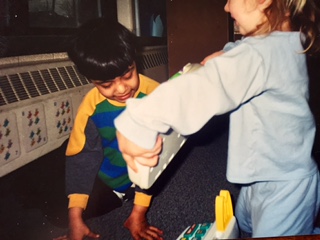
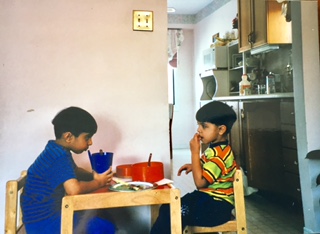
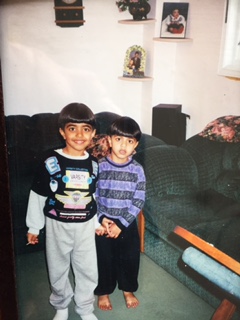
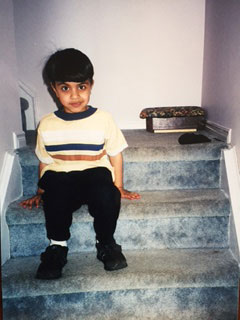
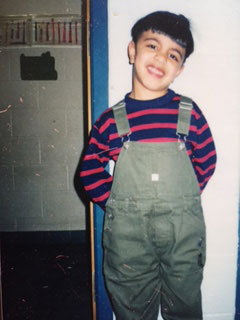
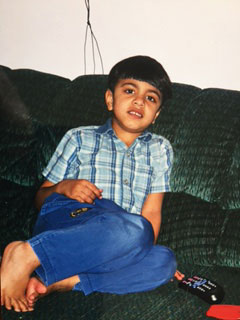
Photographs of Qasim, between the ages of three and five.
These photographs of Qasim, taken between the ages of three and five, reflect how observing his interests, sensory experiences and emerging abilities helped us discover meaningful starting points for early intervention.
The photographs follow the progression of our experience with him, from understanding his sensory preferences and building on his visual strengths to expanding his play and creating opportunities for shared enjoyment and interaction.
Sensory Peculiarities
Even when a child appears inattentive or has difficulty focusing during familiar routines, you may notice periods of intense attention to a particular object or activity.
Conversely, there may be times when the child has a strong negative reaction to something that appears minor to others.
These experiences are worth observing. They may provide valuable insights into the child's sensory interests, preferences and aversions, as well as the conditions that help them feel comfortable and available for interaction and learning.
Noticing what attracts the child, and what overwhelms them, can help us discover where to begin.
Visual Focus
A child's visual interests and strengths can provide meaningful opportunities for communication, exploration and learning.
Customized picture albums, personalized stories, colourful text, daily sequences and schedules, choice boards and picture-based play activities can be developed around the child's existing interests and visual abilities.
As the child becomes familiar with these materials, they may begin to explore them more independently, make choices, anticipate familiar activities and participate in new learning experiences.
Visual information can also help make everyday routines more understandable and provide a bridge toward fine motor activities, communication and engagement with the surrounding environment.
We begin with what already captures the child's attention and gradually build opportunities for learning from there.
High Energy Play
Some children have a strong interest in movement and high-energy activities. Rather than viewing this energy only as something to manage, we can explore how movement might become an enjoyable route into play, participation and shared experiences.
Depending on the child's interests, abilities and sensory preferences, activities might include riding a tricycle, playing on swings or slides, jumping on a trampoline, climbing or enjoying other movement-based play.
These activities can be introduced within a predictable daily routine, with their duration and frequency adapted to the individual child.
As the child becomes familiar with and enjoys different play activities, we can gradually create opportunities for another person to join, participate alongside them or share in the experience.
An activity the child already enjoys may become a starting point for developing play, engagement and interaction with others.
Sibling/Peer Interaction
As the child becomes familiar with different play activities, siblings and peers can be invited to participate in ways that are comfortable and meaningful for everyone involved.
Sharing the same space may be an important beginning. Playing alongside one another can gradually create opportunities for shared activities, turn-taking, communication and interaction.
Siblings and peers may introduce new ideas, demonstrate ways of using familiar toys or simply share the enjoyment of an activity.
Rather than expecting the child to participate socially from the outset, we can begin with activities they already enjoy and support the development of shared experiences at a pace that works for them.
From sharing space to playing alongside one another, meaningful opportunities for interaction can gradually emerge.
Confident Eye Contact
As a child becomes more comfortable with familiar people, shared activities and everyday interactions, we may begin to notice moments when they spontaneously seek another person's gaze.
They may look toward us to initiate an interaction, share enjoyment, seek reassurance or invite us to become part of an activity they previously enjoyed alone.
With Qasim, these moments became increasingly noticeable as his confidence in shared play, communication and everyday participation developed.
Rather than making eye contact a prerequisite for interaction, we focused on creating experiences in which connecting with another person became meaningful to him.
The important change was not simply that he looked at us more often, but that he was increasingly choosing to share his experiences with us.
Continue with our philosophy → or see how AAPT → helps bring observations together.